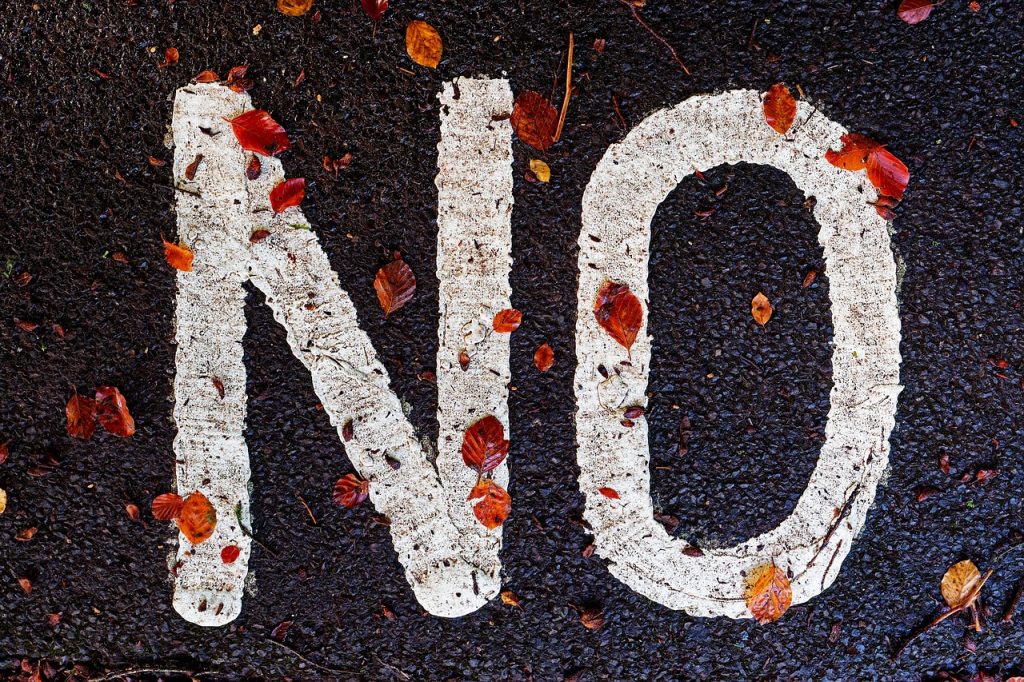
In today’s fast-paced world, the pressure to say “yes” to every opportunity, request, or invitation is overwhelming. This is especially true for freelancers, professionals, and anyone striving to succeed in a competitive environment. While saying “yes” often feels like the path to growth, taking on too much can come at a steep cost: your mental health.
Learning to say “no” isn’t about rejecting people or opportunities—it’s about setting boundaries that protect your well-being, time, and energy. Let’s explore why saying “no” is so powerful and how you can use it to maintain a healthier, happier life.
Why Saying No Is So Hard
Saying “no” can feel uncomfortable for many reasons:
- Fear of Missing Out (FOMO): We worry about missing opportunities for growth, income, or networking.
- Guilt: Turning someone down can feel like we’re disappointing them.
- Social Pressure: Society often rewards people-pleasers and views saying no as selfish or rude.
- Ambition: A desire to prove ourselves or excel can make us overcommit.
However, constantly saying “yes” can leave you overwhelmed, stressed, and unable to give your best to the commitments that truly matter.
The Benefits of Saying No
Embracing the power of “no” can transform your mental health and overall quality of life. Here’s how:
- Reduces Stress: Saying no to non-essential tasks frees up time and energy, reducing the pressure to do it all.
- Preserves Energy: Protecting your mental and emotional bandwidth allows you to focus on priorities.
- Enhances Focus: By declining distractions, you can dedicate your attention to the tasks and relationships that matter most.
- Boosts Self-Worth: Setting boundaries reinforces that your time and needs are valuable.
- Prevents Burnout: Saying no helps you maintain a sustainable workload and avoid overextending yourself.
How to Say No Without Guilt
Saying no doesn’t have to be harsh or uncomfortable. With practice, you can learn to decline requests respectfully and assertively. Here are some strategies:
- Be Clear and Honest: You don’t need to over-explain or apologize excessively. A simple, honest response works best.
- Example: “I’m unable to take on more work right now, but thank you for thinking of me.”
- Offer an Alternative (If Appropriate): If you want to help but can’t commit fully, suggest another option.
- Example: “I can’t do this, but I know someone who might be able to help.”
- Use Positive Language: Frame your no in a way that acknowledges the other person’s request.
- Example: “I appreciate the opportunity, but I have to decline to focus on my current priorities.”
- Practice Saying No: Start with smaller, less intimidating situations to build confidence in setting boundaries.
- Stay Firm: If someone pushes back, politely reiterate your stance. Remember, saying no is about protecting yourself, not pleasing others.
When to Say No
Knowing when to say no is just as important as learning how to say it. Here are some scenarios where saying no is vital:
- When It Conflicts with Your Priorities: If a request detracts from your goals or values, it’s okay to decline.
- When You’re Overwhelmed: Adding more to your plate when you’re already stretched thin can lead to burnout.
- When It Feels Wrong: Trust your intuition. If a request doesn’t feel right, it’s likely best to say no.
- When It’s Not Aligned: If an opportunity doesn’t align with your skills, interests, or goals, it may not be worth pursuing.
The Ripple Effect of Saying No
Saying no isn’t just about protecting your mental health—it also improves your relationships, work quality, and overall happiness. When you say no to things that don’t serve you, you create space for:
- Meaningful Connections: Focus on relationships that matter.
- High-Quality Work: Dedicate your energy to doing fewer things better.
- Personal Growth: Invest time in activities that enrich your life.
Final Thoughts
The power of saying no lies in its ability to protect what truly matters: your mental health, time, and energy. While it may feel uncomfortable at first, setting boundaries is a skill that improves with practice. By learning to say no, you empower yourself to lead a more balanced, fulfilling, and intentional life.
Have you struggled with saying no? Share your experiences or tips in the comments below!